Geopolitical crises, stringent international sanctions, high-risk cross-border trade flows... the business world is becoming more complex by the day. For companies, this uncertain environment could be a brake on investment.
International sanctions can target a country, an economic sector or an individual, and impose strict obligations that companies are obliged to respect. This necessarily involves financial, legal, geopolitical and reputational risks.
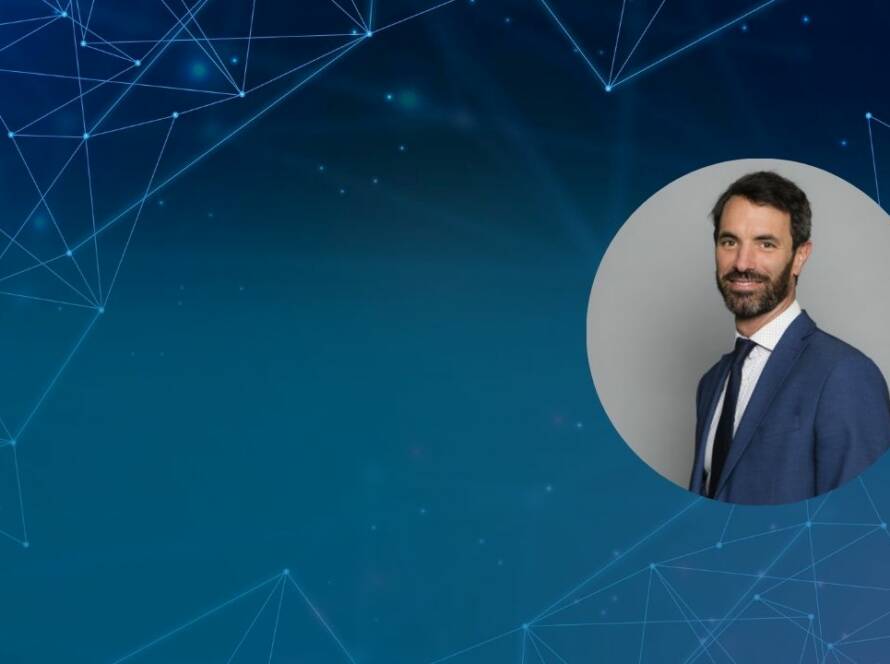
Speaking to BFM Business, Aurélien Zachayus, President of AP Solutions IO, reminded us that any person or company is criminally liable if they fail to comply with these regulations. A good tool is essential to support companies in proactively managing compliance. We explain!
To find out more: Integrating geopolitical risks into your compliance strategy
Why are international sanctions becoming more topical?
In 2023, Tracfin reports having received more, an increase of 15% on 2022. Recent events - notably Russia's invasion of Ukraine and the humanitarian crisis in Gaza - illustrate the complexity of international sanctions. Numerous restrictive measures have been introduced, including asset freezes and embargoes on energy and technology.
And this is constantly changing, as Aurélien points out in his interview on BFM Business:
"We are on the 19ᵉ sanction train at European Union level in the example. This may give rise to some problems if we do not take into account in advance this risk of sanctions vis-à-vis a country."
All business partners (even for indirect transactions) are concerned. As a company, you need to be able to map your entire ecosystem, from supply chain to financial relationships.
Deciphering Aurélien's interview on BFM Business - The stakes and impact of international sanctions
Source: Good Morning Business (November 2025) - BFM Business
Compliance first: responsibility and regulation
Compliance involves the civil and criminal liability of all levels of the company. This applies equally to managers and employees involved in cross-border transactions, even when these take place outside the national territory. Control policies must be rigorous, with a daily regulatory watch that cross-references international lists (sanctions, PEP, RCA) for all trading partners.
"The first request companies make of us is to comply with regulations, because international sanctions apply to everyone".
The spectrum of taxable persons: well beyond the banking sector
No, banks aren't the only ones concerned. Vigilance and anti-money laundering and combating the financing of terrorism obligations apply to :
- regulated professions such as notaries, bailiffs, lawyers and chartered accountants;
- international trading companies: import/export, logistics, etc. ;
- sector-specific structures: luxury real estate, sports agencies, etc.
These structures must deploy KYC and screening processes to detect all risks.
Types of sanctions
We can distinguish several types of sanctions:
- such as freezing assets or prohibiting targeted individuals from operating;
- such as an embargo on products or a ban on financing;
- such as the suspension of bilateral agreements or exclusion from international forums.
"This affects everything to do with import/export, with individual, economic and diplomatic sanctions, such as a Russian plane not being allowed to fly over the European Union, for example. We need to set up automated detection tools to anticipate the impact of measures before concluding a contract."
How can you anticipate regulatory changes?
Non-compliance can arise for three main reasons: ignorance or under-equipment, abusive delegation or conscious risk-taking. As Aurélien points out, "some companies think it's not necessarily their responsibility to check, and rely on the banking sector, but all levels are involved".
A proactive approach is essential, with constant geopolitical monitoring to detect areas of risk in advance and plan logistical, financial and commercial alternatives. It is essential to simulate the impact of sanctions in order to adjust relations if necessary.
AP Solutions IO's vision: simplifying compliance in the face of sanctions
Processes must involve mapping the ecosystem, automating controls, training and raising team awareness, and integrating the geopolitical dimension into strategy. Because not all companies have the same equipment today, awareness is often raised at several levels.
AP Solutions IO is an innovative RegTech specializing in the fight against financial crime and compliance with international sanctions. Our mission? To make regulatory obligations simple and automated, while ensuring operational continuity.
"One of the major challenges for companies is to prevent rather than cure. We need to integrate geopolitics into our compliance strategy in order to anticipate risks".
Asked if this is complicated, Aurélien is adamant that, with the right tools, anything is possible. "With the right equipment and a good knowledge of its entire ecosystem, it's pretty simple to master."
At AP Solutions IO, we integrate AP Scan, AP Scoring, AP Monitoring and AP Filter solutions to turn legal compliance into a strategic advantage. Our tools work alongside companies to automate and streamline all processes.

You too can anticipate, automate and centralize compliance management; contact us to secure your transactions, protect your reputation and gain in efficiency.